


Winter in Australia, especially in cooler regions like the Gold Coast hinterland, can be tough on your lawn. While our winters are milder than those in other countries, the drop in temperature, reduced sunlight, and increased moisture can still stress grass, leading to thinning, disease, or weed infestations. Proper preparation ensures your lawn stays healthy through the colder months and bounces back lush and green in spring.
1. Give Your Lawn a Final Good Mow
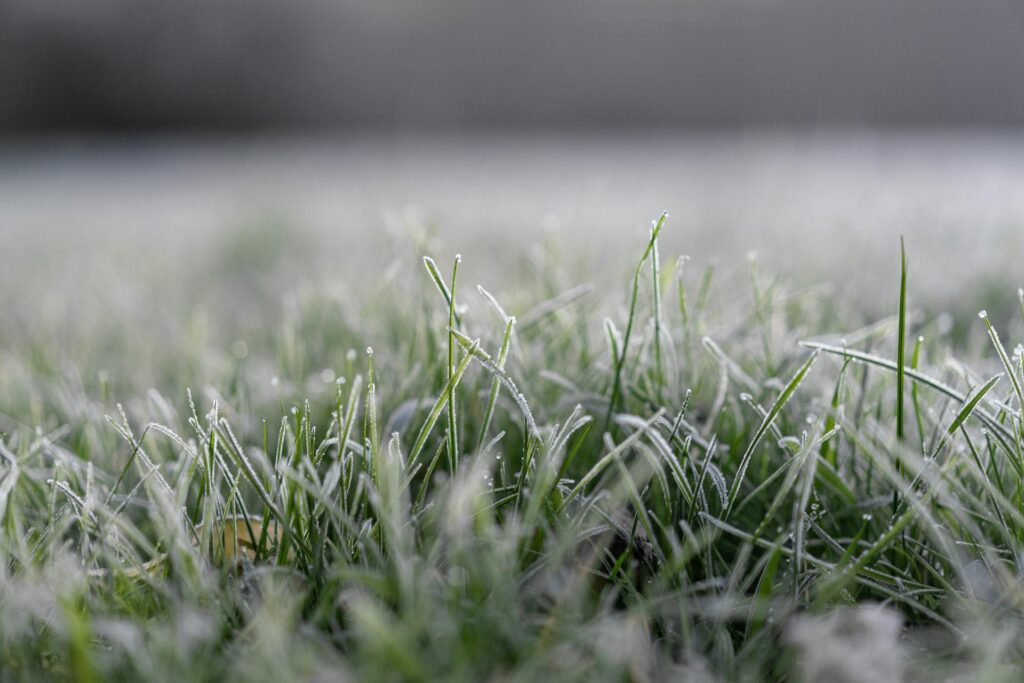
Before winter sets in, it’s crucial to mow your lawn one last time at the right height. Cutting your grass too short can expose the soil to frost and weeds, while leaving it too long can encourage fungal diseases.
Best Mowing Practices for Winter Prep:
- Adjust your mower height: For most warm-season grasses (like Buffalo, Kikuyu, or Couch), a height of 2.5–3 cm is ideal. Cool-season grasses (such as Fescue or Ryegrass) can be left slightly longer at 3–4 cm.
- Don’t cut more than one-third of the grass blade at a time to avoid stress.
- Keep mower blades sharp to ensure clean cuts and prevent ragged edges that can invite disease.
After mowing, remove clippings if they’re thick to prevent thatch buildup, which can suffocate the lawn.
2. Aerate the Soil for Better Oxygen and Nutrient Flow
Compacted soil prevents water, air, and nutrients from reaching grass roots. Aeration—creating small holes in the lawn—helps alleviate compaction and improves root health before winter.
How to Aerate Your Lawn:
- Use a garden fork or mechanical aerator for small or large lawns, respectively.
- Aerate when the soil is slightly moist (not too wet or dry) for best results.
- Leave the soil plugs on the lawn—they’ll break down naturally and return nutrients to the soil.
Aeration is especially beneficial if your lawn gets heavy foot traffic or has clay-heavy soil.
3. Fertilise with a Winter-Friendly Lawn Food

Feeding your lawn before winter strengthens roots and provides nutrients that sustain it during dormancy. However, you must choose the right fertiliser—high nitrogen feeds (used in spring/summer) can promote soft growth vulnerable to frost damage.
Best Winter Lawn Fertiliser Options:
- Slow-release organic fertilisers (like compost or pelletised chicken manure) enrich the soil gradually.
- Potassium-rich fertilisers help improve cold tolerance.
- Specialised winter lawn feeds (such as those with iron) keep grass greener without excessive growth.
Apply fertiliser 4–6 weeks before the coldest weather hits, usually around late autumn in Australia.
4. Control Weeds Before They Take Over
Weeds like Wintergrass, Bindii, and Clover thrive in cooler months, stealing nutrients from your lawn. Tackling them early prevents a bigger problem in spring.
Effective Weed Control Methods:
- Pre-emergent herbicides stop weed seeds from germinating—apply in late autumn.
- Spot-treat existing weeds with a selective herbicide that won’t harm your grass.
- Manual removal works for small infestations—ensure you pull out the entire root.
Avoid overusing herbicides; always follow label instructions to protect your lawn and the environment.
5. Reduce Thatch to Prevent Disease

Thatch—a layer of dead grass and roots—can block water and air if it gets too thick (over 1 cm). While some thatch is normal, excess buildup encourages pests and fungal diseases like Brown Patch or Dollar Spot.
How to Dethatch Your Lawn:
- Use a thatch rake or dethatching machine for small or large lawns.
- Lightly rake the surface to remove dead material without damaging healthy grass.
- Compost the removed thatch if it’s disease-free.
Dethatching is best done in early autumn so your lawn can recover before winter.
6. Water Wisely—Adjust Irrigation for Cooler Weather
Overwatering in winter can lead to root rot and fungal diseases, while underwatering in dry spells can weaken grass.
Winter Watering Tips:
- Reduce watering frequency—lawns need less moisture in cooler months.
- Water in the morning so excess moisture evaporates during the day.
- Check soil moisture before watering—stick a screwdriver into the ground; if it comes out damp, skip watering.
In areas with regular rainfall, you may not need to water at all.
7. Protect High-Traffic Areas

Heavy foot traffic on dormant grass can cause compaction and bare patches.
How to Minimise Winter Lawn Damage:
- Create designated pathways using stepping stones or mulch.
- Rotate play areas if kids or pets use the lawn frequently.
- Avoid parking vehicles on grass to prevent soil compaction.
8. Monitor and Treat Lawn Diseases
Fungal diseases thrive in cool, damp conditions. Common winter lawn diseases in Australia include:
- Brown Patch (circular brown patches)
- Fusarium (yellow-orange spots)
- Dollar Spot (small silver-dollar-sized patches)
Prevention and Treatment:
- Improve air circulation by pruning overhanging plants.
- Avoid excessive nitrogen fertilisers in late autumn.
- Apply fungicide if necessary—choose one suited to your grass type.
9. Plan for Spring Recovery

Winter lawn care sets the stage for a vibrant spring revival. Once the weather warms up:
- Reseed bare patches with a suitable grass variety.
- Apply a balanced fertiliser as growth resumes.
- Start regular mowing once grass reaches active growth height.
Need Winter Lawn Care Supplies?
Prepping your lawn for winter is easier with the right tools and products. At Garden Nursery Products, your trusted garden supply store on the Gold Coast, we stock everything you need—from premium fertilisers and herbicides and landscaping materials.