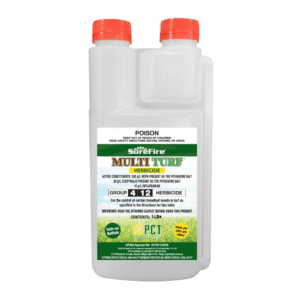
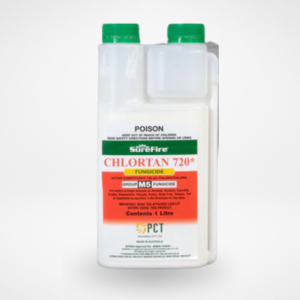
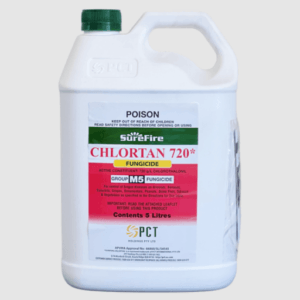
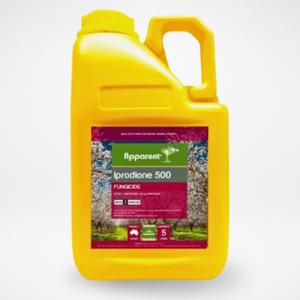
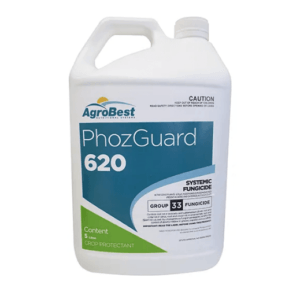
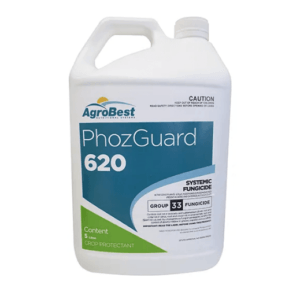
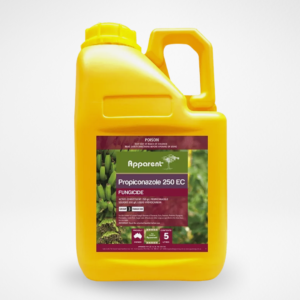
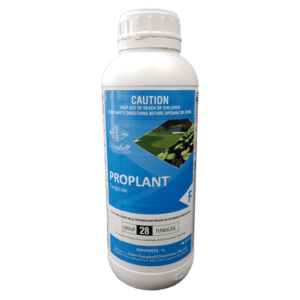
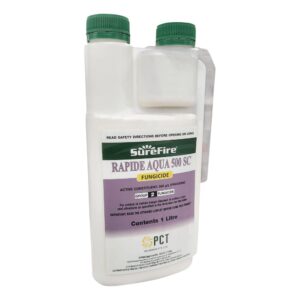
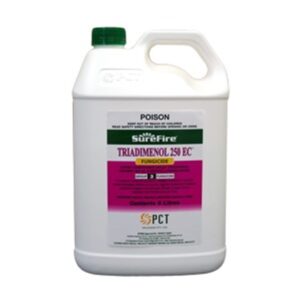
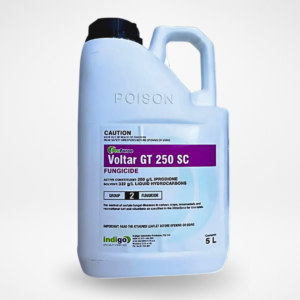
Brown patch, dollar spot and other fungal disease can wreck a lawn fast, especially after a run of humid weather. These fungicides — contact and systemic — knock back the disease and help turf recover. Catch it early and treat before it spreads.
Contact and systemic fungicides for turf and garden beds
Sizes from 1L trigger-ready packs to 5L concentrate
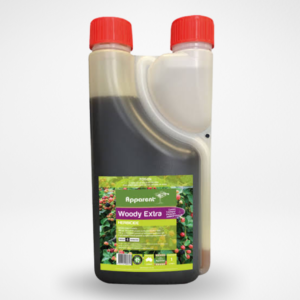
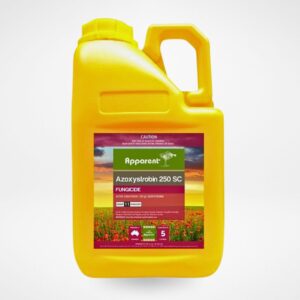
Brands include Apparent Ag and SureFire
Frequently Asked Questions
How do I know if my lawn has a fungal disease?
Fungal disease usually shows as patches rather than the general thinning you would see from grubs or drought – circular brown or straw-coloured rings (brown patch, dollar spot), a greasy dark edge in the morning, or a coloured smoke ring around the patch. It is most common in warm, humid weather, after heavy dew, or where the lawn stays wet overnight.
What is the difference between a contact and a systemic fungicide?
A contact (protectant) fungicide stays on the leaf surface and stops spores establishing, so it is applied before or at the first sign of disease and reapplied regularly. A systemic fungicide moves into the plant and can halt an infection that has already started, giving longer control. Rotating between different modes of action reduces the chance of the disease building resistance.
When should I apply a preventative fungicide?
Apply preventatively when conditions favour disease – extended humidity, warm nights, and long dew periods through late spring and summer – especially on lawns with a history of brown patch or dollar spot. Once disease is visible you are switching to a curative program, which is slower and more expensive than prevention.
Can I stop lawn disease without spraying?
Cultural changes reduce disease pressure a lot: water early in the day so the leaf dries quickly, avoid evening watering, cut back nitrogen during humid spells, improve airflow and drainage, and remove clippings from an affected area. Fungicides then become a targeted tool rather than a routine one.
Why is a wetting agent listed in the fungicide section?
Some soil penetrants and wetting agents are grouped here because they help fungicide and water move down through a water-repellent thatch layer to where root-zone diseases develop, and because managing soil moisture is part of disease control. They are surfactants, not fungicides – check the product page for the active ingredient.
Note on large packs: some of our bulk 20L containers are available for in-store pickup only — they’re too large for standard courier delivery. Look for the “In-Store Pickup Only” label on the product page. Pickup is from our Arundel warehouse: Unit 2, 9 Wrights Place, Arundel QLD 4214 · 07 5537 4585.