
At Garden Nursery Products, we help Aussie homeowners stay ahead of common lawn problems before they turn into a bigger clean-up job.
Winter weeds usually do not appear out of nowhere. They start establishing as conditions cool, and by the time they are obvious across the lawn, the easy prevention window may already be closing.
That is why winter weed timing matters. A small job in autumn can save a much bigger one later.
If your lawn is still mostly clean, now is the time to plan your winter weed prevention.
If weeds are already visible, switch from prevention mode to control mode.
A simple autumn plan looks like this:

Winter weeds are easier to prevent than to remove once they are established.
As autumn rolls on, warm-season lawns like couch, buffalo, kikuyu and zoysia usually slow down. That means the lawn is not pushing as hard, and weeds can take advantage of thin or open areas more easily.
This is where homeowners often lose ground. They wait until the lawn looks messy, then try to fix everything at once.
A better approach is to act early, while the lawn is still in decent shape.
This is the main question.
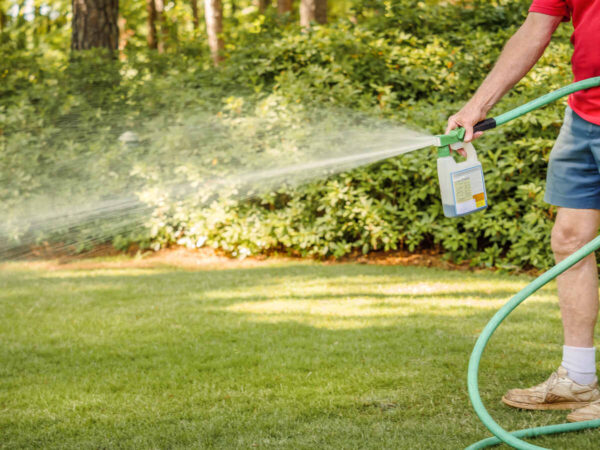
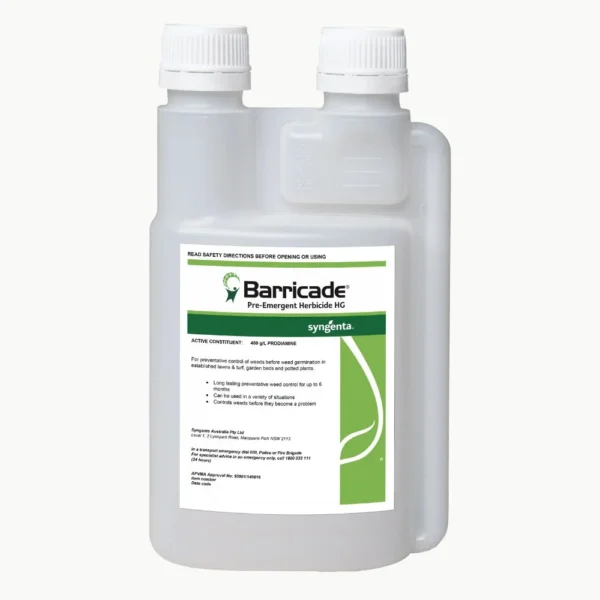
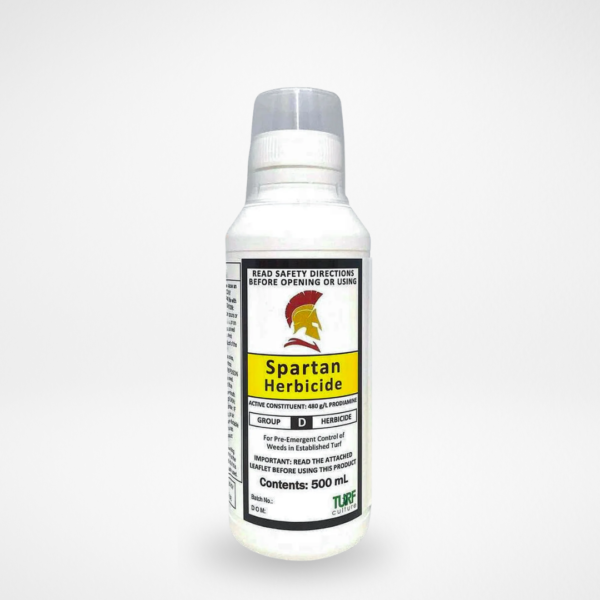
Use a pre-emergent when you are trying to stop winter weeds before they germinate.
This suits lawns that still look fairly clean, where the goal is to stay ahead of the next wave
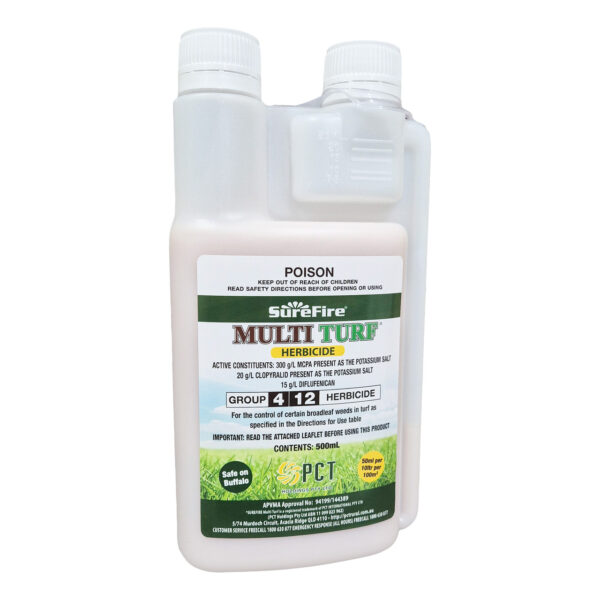
Use a post-emergent when weeds are already up and actively growing.
This suits lawns where the weeds are already visible and need active control now.
The key is not mixing those two jobs up. A pre-emergent is for prevention. A post-emergent is for weeds that are already there.
Autumn is the time to pay closer attention to early warning signs. Winter weeds usually move into lawns when growth starts to slow and weak spots open up. Catching those signs early gives you a better chance to act before the lawn gets messy.
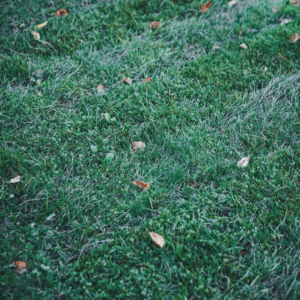
Small new weeds coming through are often the first sign that your timing window is tightening. If you are starting to notice fresh growth popping up across the lawn, especially in bare or thinner spots, it is a sign that weeds are beginning to establish.
Patchy spots, worn edges, and weak sections usually get hit first. These areas give weeds more space, more light, and less competition from healthy turf, which makes them an easy target as the weather cools.
As growth eases off, the lawn has less ability to crowd weeds out on its own. That is why a lawn that looked fine a few weeks ago can start losing ground if weed pressure builds while the grass is slowing down.
These areas can become problem spots faster through the cooler months. Spots that stay damp, shaded, or slow to dry out often give weeds an easier start, especially when the surrounding lawn is not growing as strongly.
Getting winter weed timing right is often less about doing more, and more about avoiding a few common mistakes. These are the ones that tend to catch homeowners out each autumn.
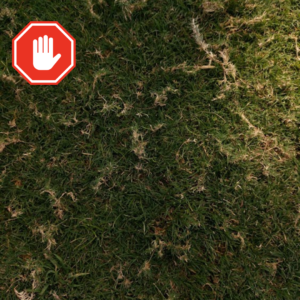
Once winter weeds are well established, prevention is no longer the main play. At that point, the job usually becomes harder, more reactive, and often more frustrating than it needed to be.
A lot of frustration comes from using pre-emergent once weeds are already visible. Pre-emergent is for stopping weeds before they germinate, while existing weeds usually need a post-emergent approach instead.
Weeds usually move into stressed parts of the lawn first, not the healthiest sections. Thin spots, worn edges, and patchy areas should be treated like early warning zones, because that is often where winter weeds start getting a foothold.
Timing can shift depending on where you are and how quickly conditions cool down. A fixed date can be helpful as a guide, but it is better to watch what the lawn and the weather are doing in your area.
A simple homeowner approach is to act early, keep it practical, and match the treatment to what is happening in the lawn now.
Walk the lawn and look for fresh weeds, thin patches, bare spots, and weak zones. These are usually the first areas where winter weeds start getting a foothold.
If the lawn is still mostly clean, focus on prevention. If weeds are already visible, focus on active control with the right product for the weed stage.
Good mowing, sensible feeding, and lawn support products can help the turf stay stronger through autumn. A healthier lawn gives weeds less space to move in.
Early action is usually easier than a catch-up job later. Once winter weeds spread through the lawn, the job often becomes slower, harder, and more frustrating.
A. Usually in autumn, before winter weeds fully establish and while the lawn is still active enough to recover well.
A. Pre-emergent is mainly for prevention. If weeds are already visible, a post-emergent approach is usually the better fit.
A. Thin and stressed turf gives weeds more space, light and opportunity to establish.
A.Waiting until the lawn is already full of weeds, then trying to use a prevention product too late.
At Garden Nursery Products (GNP), we help Aussie homeowners choose the right lawn care products for the job, especially when autumn weeds start creeping in before winter.
For this time of year, that can include:
Browse our weed control and lawn care range, or reach out if you want help choosing the right option for your turf type.
Added to cart
Check out our shop to see what's available