At Garden Nursery Products (GNP), we help Aussie homeowners choose the right lawn care products and timing for autumn conditions. Autumn looks calm, but it’s when lawns quietly thin out. Growth slows, weeds start germinating, and cool nights leave the leaf wet for longer.
That’s why doing the “same thing as summer” can still end in bare patches, more weeds, and fungus pressure that builds week by week. By the time winter arrives, fixes take longer because turf growth has slowed right down.
This guide gives you a simple 10 minute weekly routine. Do one high impact step at a time, feed, weed plan, soil support, and fungus habits, with suggested products for each step. Follow the label and keep it steady.
What you’ll do each week:
Mow and check the lawn, then pick one action
Feed for steady growth, don’t force it
Plan weeds and reduce dew time, before problems spread
Most lawns do better with consistency than big weekend blowouts. Each week, do a quick mow and check, then pick one action based on what you see.
1. Mow smart
Keep your height steady as growth slows, avoid scalping, it stresses the lawn and invites weeds.
2) Spot check and act
Walk the lawn, look for weeds, bare patches, and damp corners, treat early while problems are small.
3) Do one action
Pick the biggest win for the week, feed, weed plan, soil support, or airflow habit, then stop there.
Feed
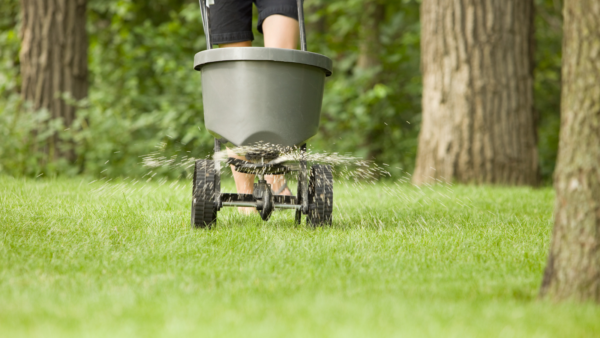
Autumn feeding is about steady energy, not forcing a burst of growth. When a lawn is underfed it thins out, and weeds get the light and space to move in.
A sensible autumn feed supports roots while soil temperatures are still warm enough for uptake. Apply at label rate and water in as directed, follow the label.
Autumn weeds love thinning turf and cooler soil. The trick is to act early, treat what’s up now, and plan ahead before the next flush.
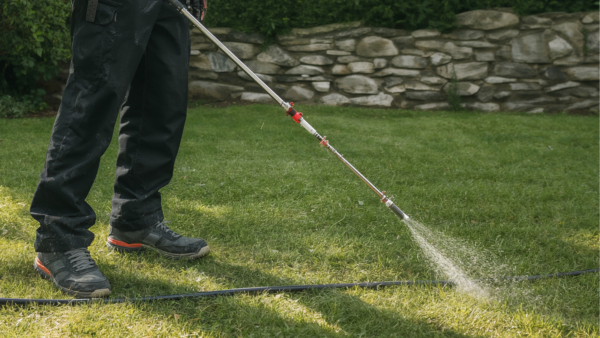
Pre emergent timing matters. In general terms, it works best when applied before the main flush of winter weeds germinates, then water in as directed on the label. If weeds are already up, you’ll usually need a post emergent option as well.
If water is beading, running off, or soaking in unevenly, the lawn can look patchy even when you’re watering. Autumn is a good time to improve what’s happening underneath, while stress is lower than midsummer.
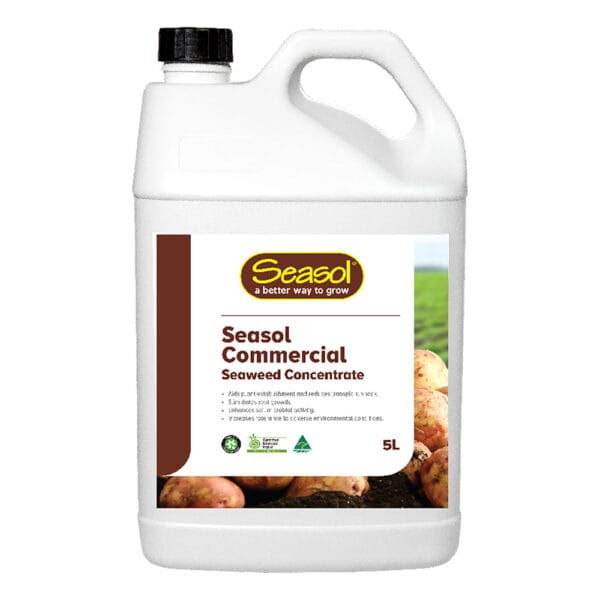
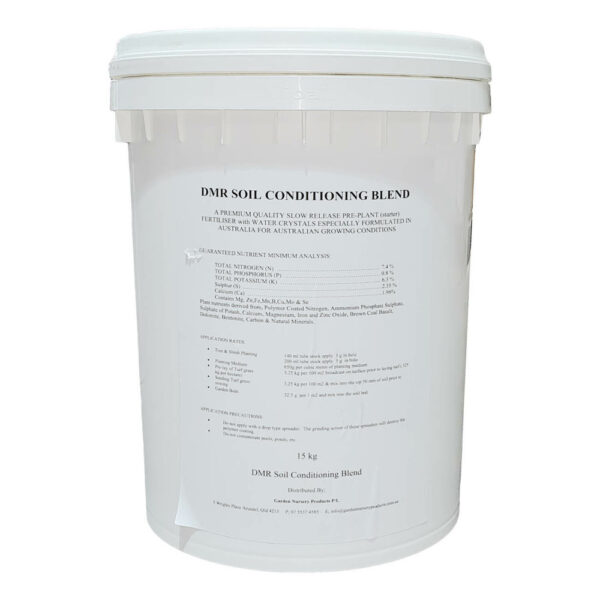
A wetting agent can help water move into the soil more evenly. Soil conditioners support structure over time, and seaweed tonics are a handy support step during seasonal change. Follow the label, and space applications so you can see what’s helping.
Quick soil check:
Water beads or runs off instead of soaking in
Dry patchy spots that won’t wet evenly
Do this
Use a wetting agent if water beads or runs off
Add a soil conditioner to support the root zone over time
Use a seaweed tonic during stress periods, follow the label
Cool nights and dewy mornings can keep grass blades wet for hours, especially in shaded corners and still areas. That longer leaf wetness period is when fungal issues can sneak in.
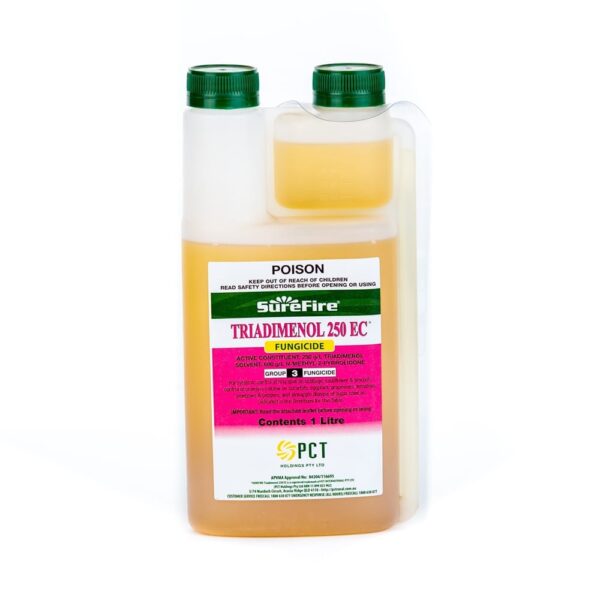
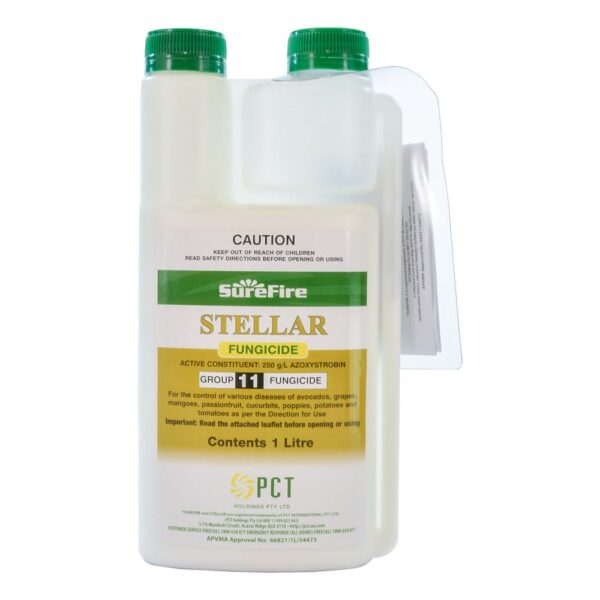
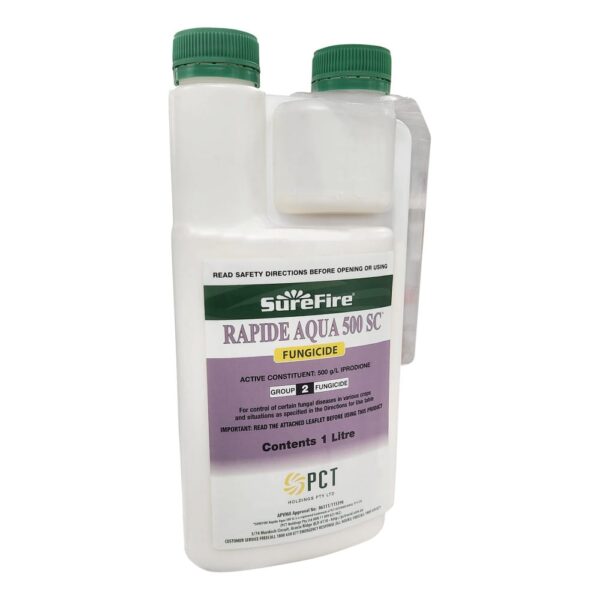
Start with habits first, water early, improve airflow, and avoid mowing when wet. If symptoms are spreading, a targeted fungicide can help, always follow the label and apply as directed.
When to pay attention:
Dew staying on the lawn well into the morning
Patches that spread, or keep returning in shaded areas
Do this
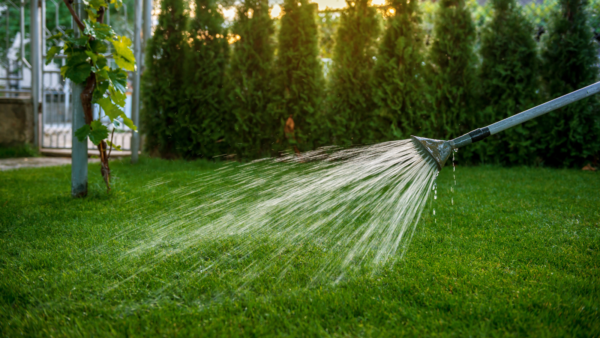
Water early morning, not late arvo
Improve airflow, trim edges, reduce shade where you can
A: Start when nights cool off and lawn growth begins to slow. Earlier usually means less catch up later.
How often should I water in autumn?
A: Water less often than summer, but aim for deeper watering. Adjust based on rainfall, soil type, and how quickly the lawn dries.
Can I fertilise when it’s still warm?
A: Yes. Keep it sensible, follow the label rates, and water in as directed. Avoid heavy feeding as temperatures keep dropping.
When do I use pre emergent?
A: In general terms, apply before the main flush of winter weeds germinates, then water in as directed on the label. If weeds are already up, you may need a post emergent option too.
Why is dew a problem?
A: Dew keeps the leaf wet for longer, especially in shaded or still areas. Better airflow and morning watering helps reduce leaf wetness time.
What grass type do I have?
A: Look at leaf width and runners, and whether it spreads along the ground. If unsure, take a clear close up photo and ask for help choosing.
Garden Nursery Products for your lawn care needs
At Garden Nursery Products (GNP), we stock a wide range of lawn care essentials to help you keep growth steady through autumn. Depending on what your lawn needs right now, you might be looking for:
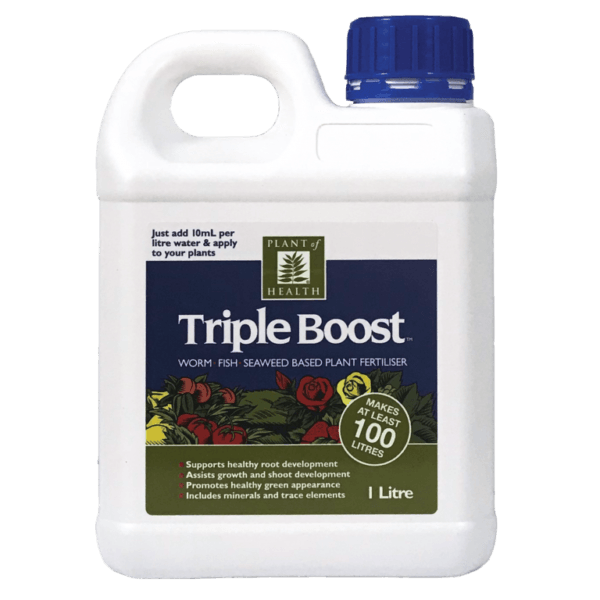
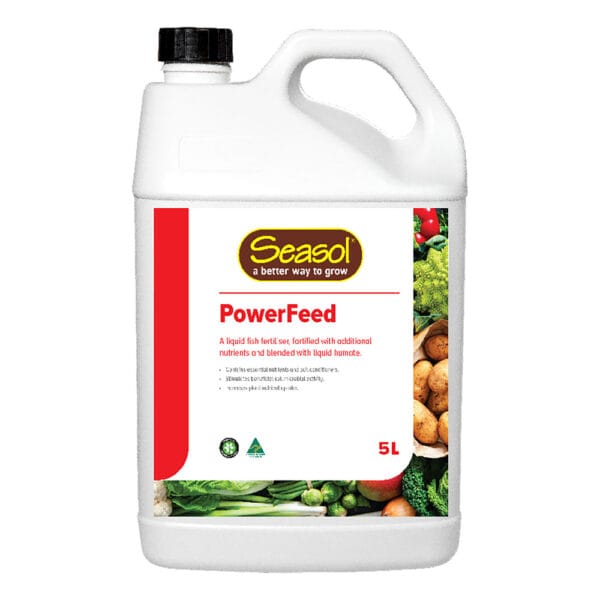
Fertilisers to support steady growth and root strength
Herbicides to manage weeds and plan pre emergent timing
Soil improvers like wetting agents, conditioners, and seaweed tonics
Fungicides for targeted treatment when symptoms spread